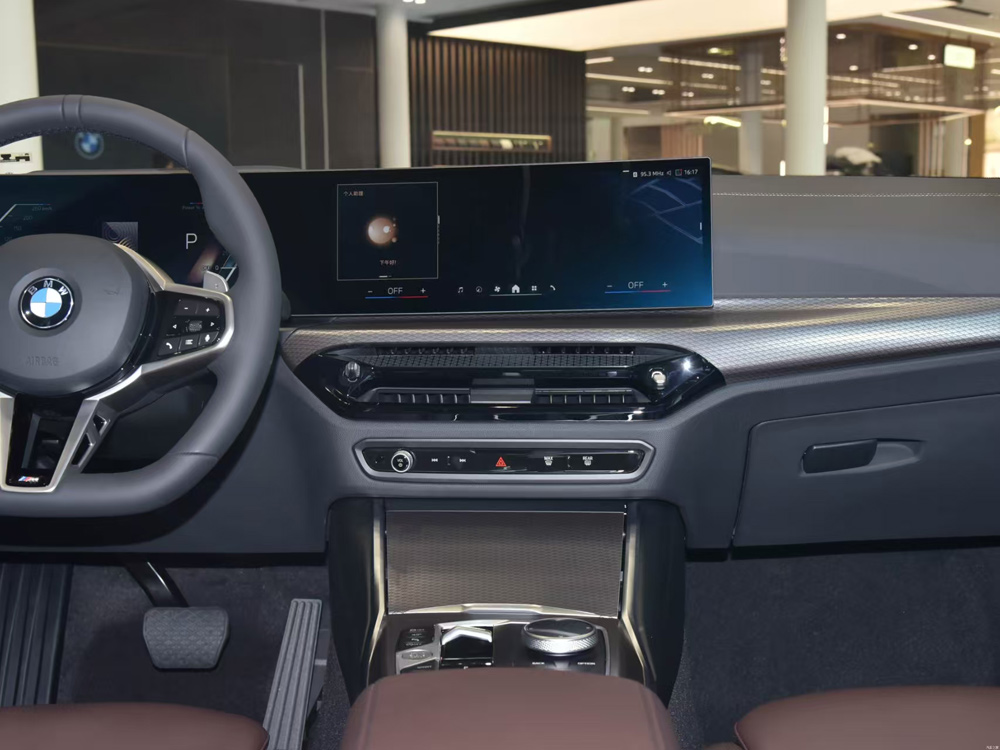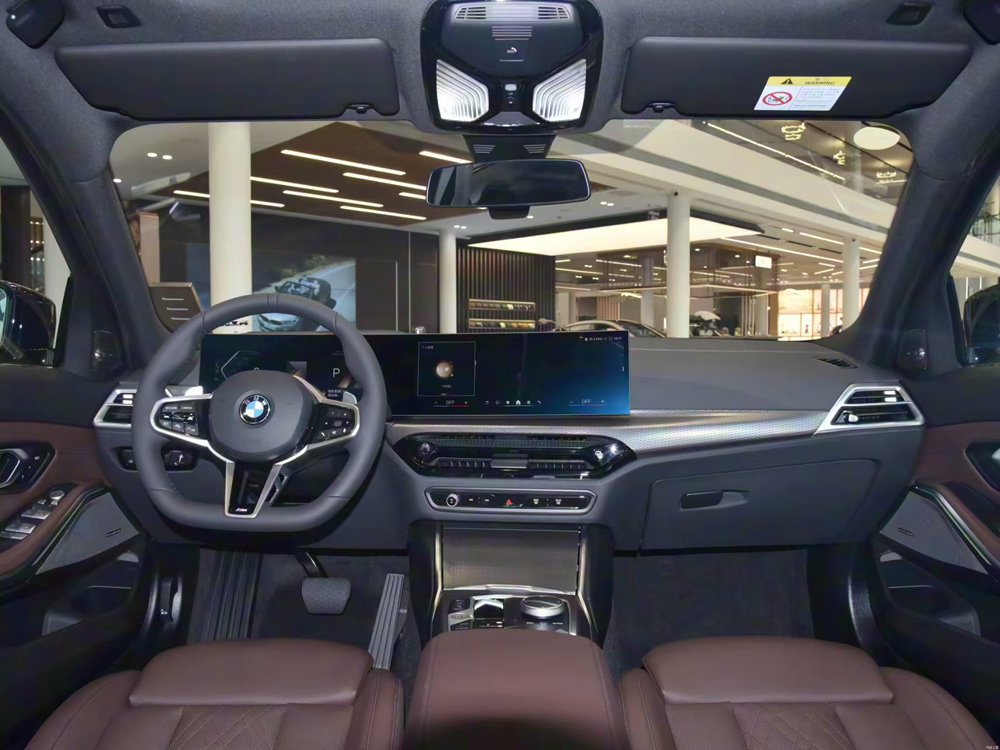
The interior changes are equally subtle: new materials, a new steering wheel design, and the latest iDrive 8.5 running in a curved dual-screen display.
The 330i’s B48 2.0-liter turbocharged four-cylinder engine, equipped with mild-hybrid assistance and more efficient Miller cycle combustion technology, delivers 255 horsepower and a robust 295 lb-ft of torque. The M340i now also benefits from the mild-hybrid system, capable of bursting up to 11 horsepower for short periods, with a total system peak of 386 horsepower.
2025 BMW 330i xDrive Review: Still a Benchmark – Youjia
Exterior Styling:
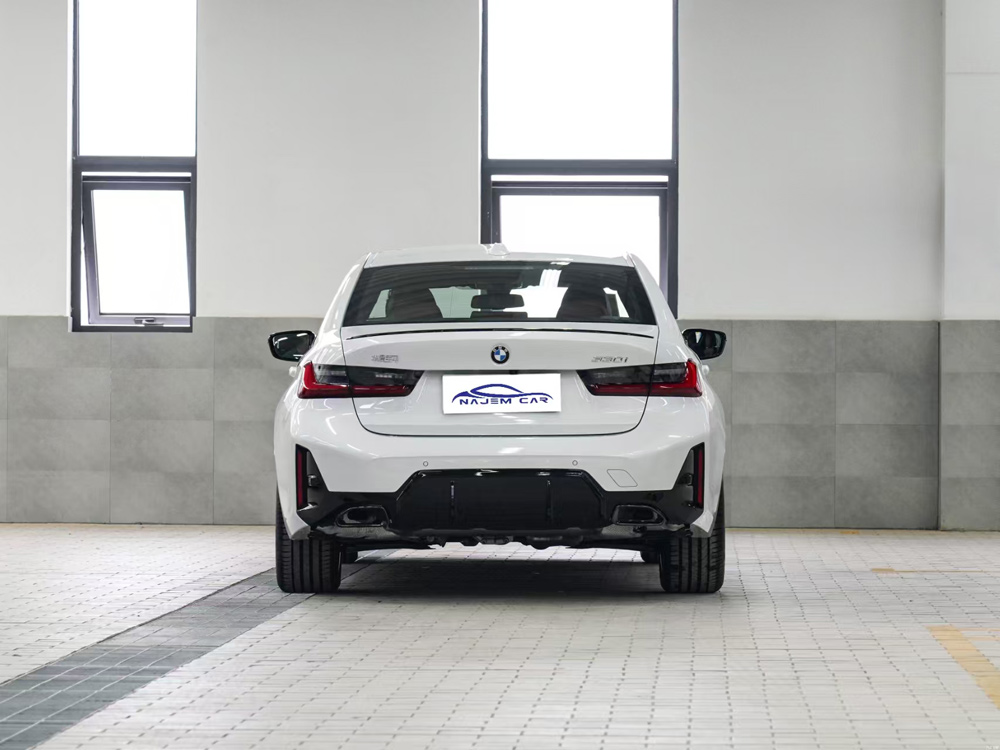
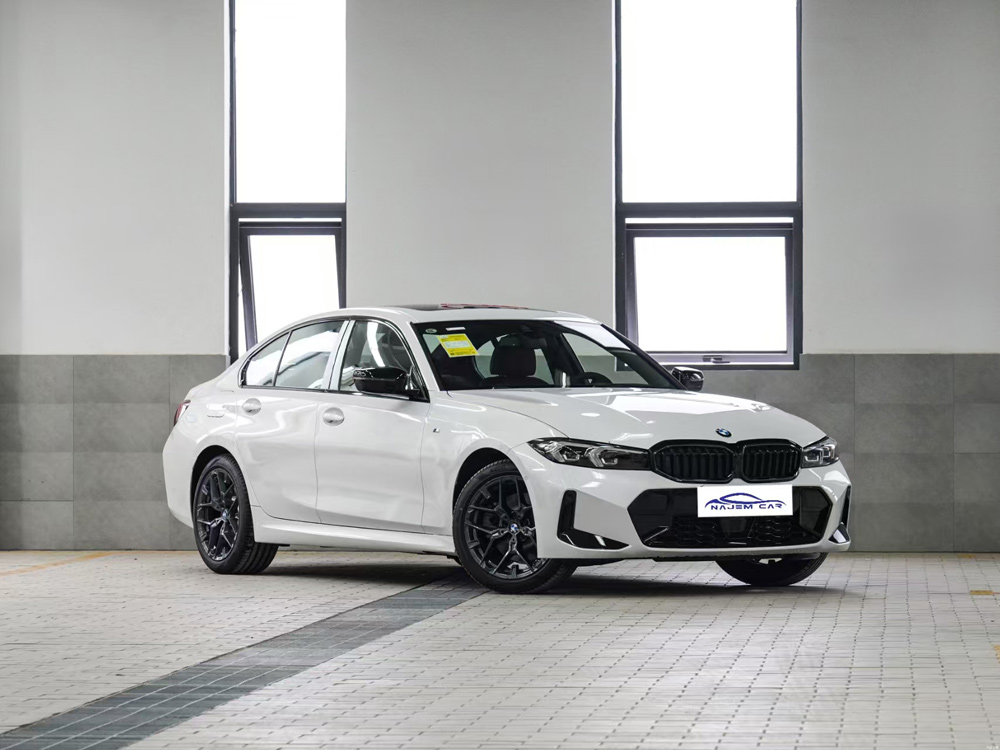
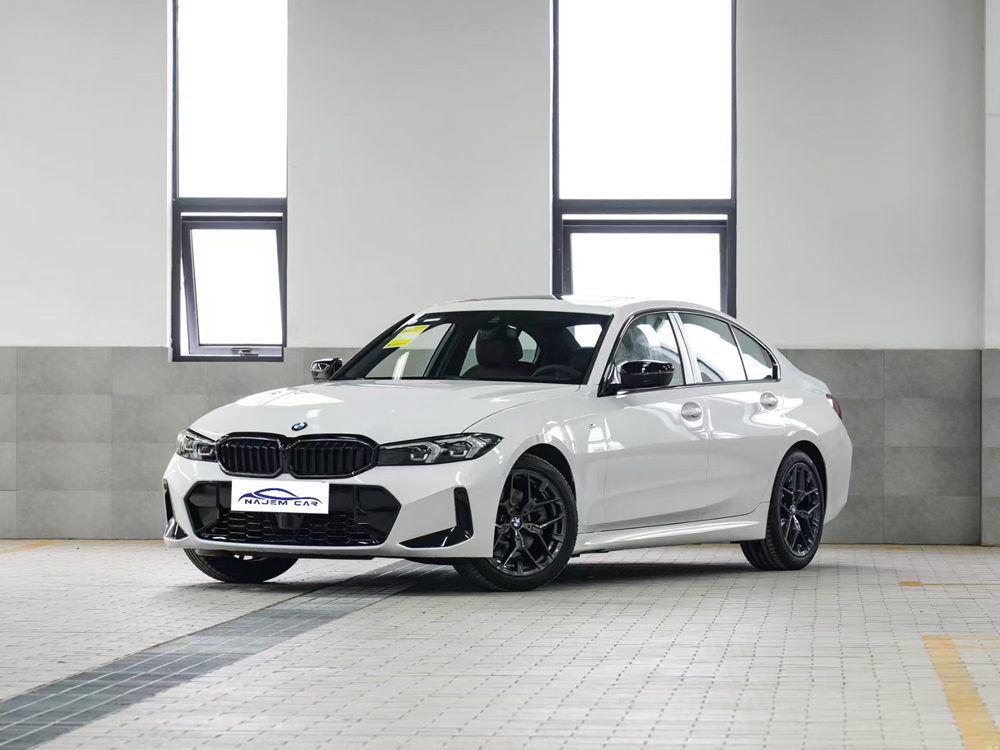
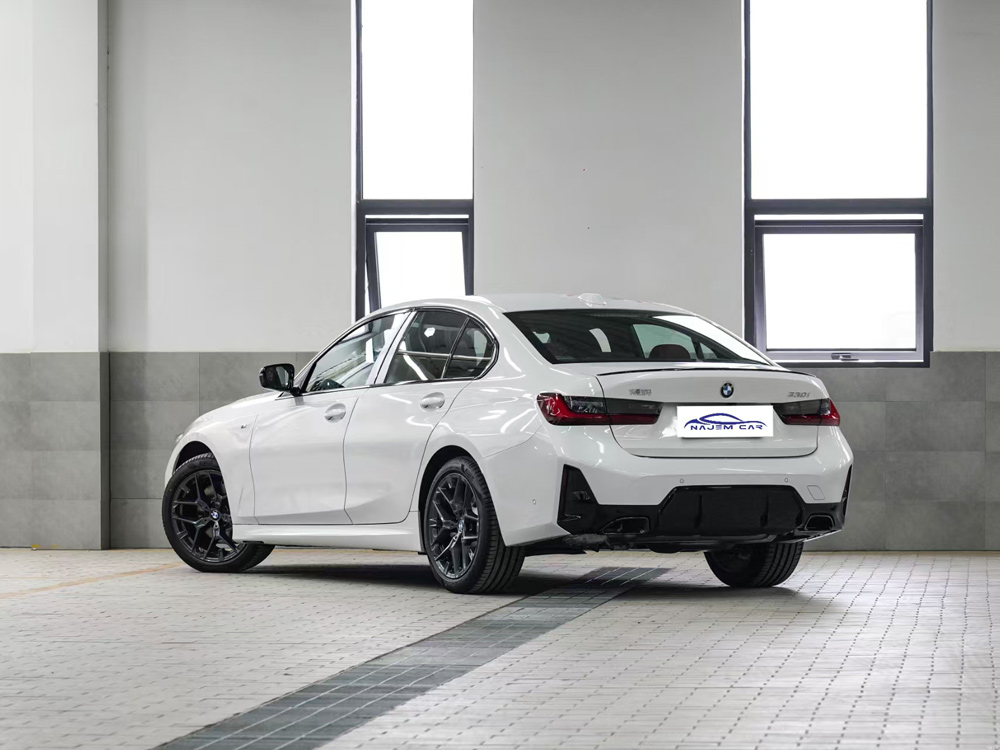
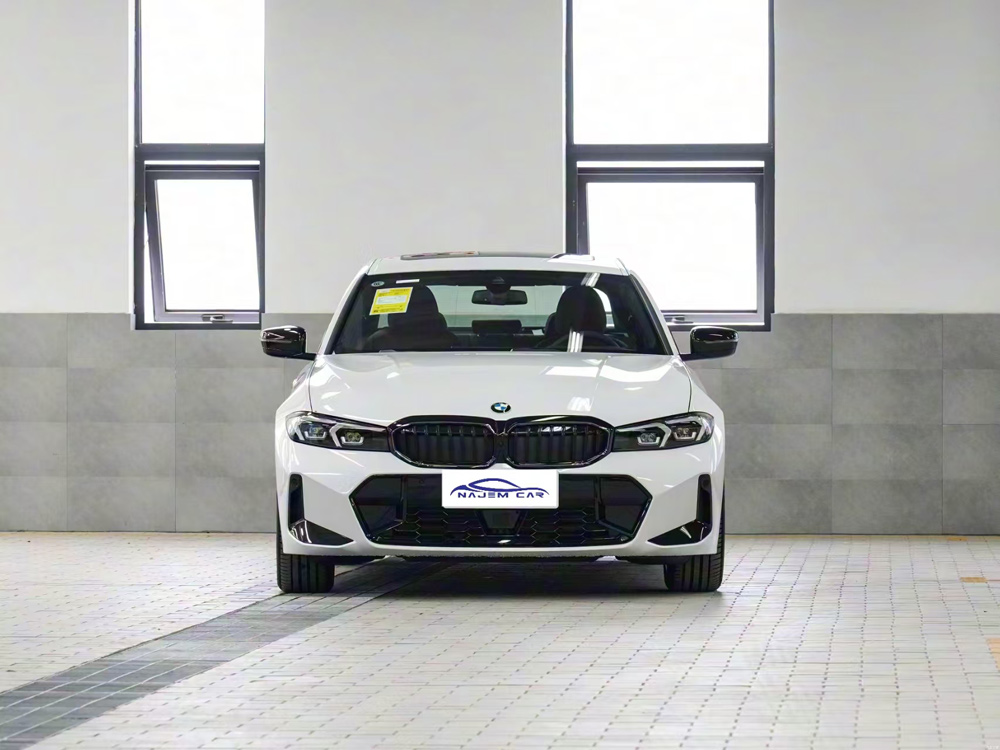
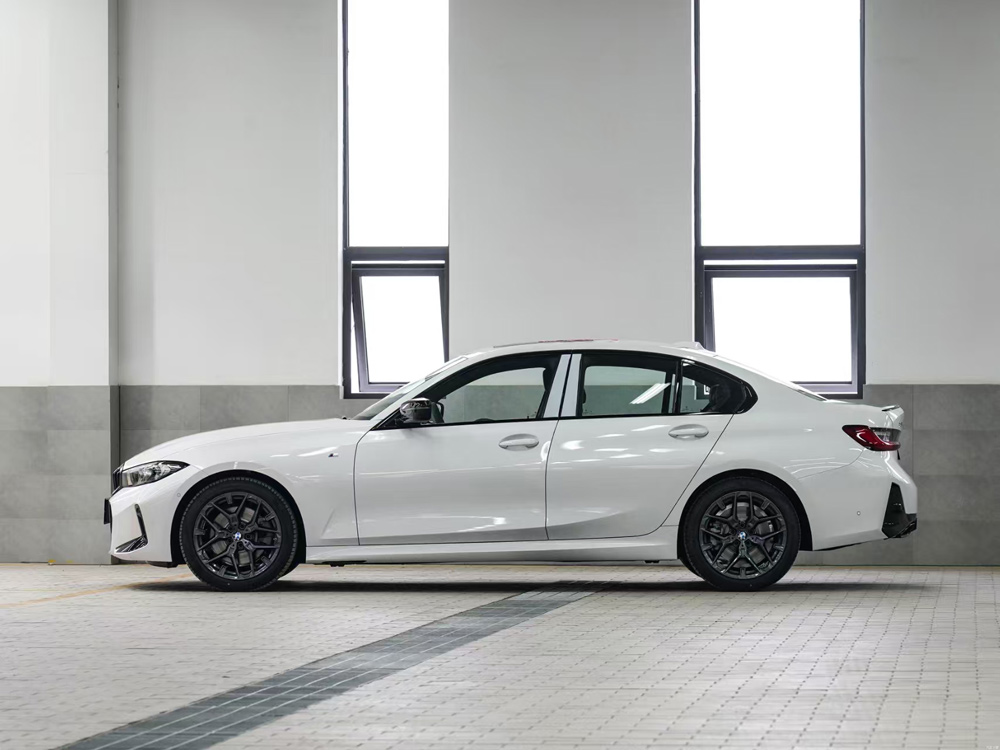
If there is any such thing as an “old” BMW design, the 3 Series is the last. The latest i7 and X3 may be controversial, but they both embody BMW’s design style—and the upcoming Neue Klasse should be too, especially in terms of appearance and details. In contrast, this 330i is almost devoid of highlights. While the current 3 Series takes the concept of “compact” to its extreme, its ubiquitous design doesn’t diminish its understated elegance and classic long hood and short tail proportions. The front is low, with a moderately sized double-kidney grille. The taillights have a clean and simple design, with a smooth lip-shaped curve connecting them. The exaggerated diffuser design and tall reflectors look somewhat cumbersome, but apart from that, the 3 Series still looks good.
2025 BMW 330i xDrive Review: Still a Benchmark – Youjia
Powertrain and Fuel Economy:
In a class where almost all competitors use 2.0-liter turbocharged four-cylinder engines, the 330i’s B48 engine stands out. This engine delivers impressive torque almost from idle—reaching a peak of 295 lb-ft at 1600 rpm and maintaining it until around 4500 rpm—and is responsive, linear, and virtually free of turbo lag. The eight-speed automatic transmission remains flawless, shifting smoothly, and thanks to the mild hybrid assist system, the start-stop function is virtually seamless. Small paddle shifters allow for manual control; even in Sport mode, the response is slightly sluggish, but this is within the normal range for its class. The small engine’s roar is even quite pleasant, although some of the rumble is pipe-transmitted.
BMW’s fuel efficiency is unparalleled by other automakers. The official combined fuel economy for the xDrive model is 29 mpg, with 26 mpg in the city and 34 mpg on the highway. Canadian figures are 8.0 liters/100km, 8.9 liters/100km, and 6.9 liters/100km respectively. US buyers can opt for non-all-wheel drive, resulting in higher fuel consumption. In real-world testing, after a week of muddy weather and longer city driving than usual, the 330i still maintained close to its combined fuel economy.
2025 BMW 330i xDrive Review: Still the Benchmark – Youjia
Handling and Driving Performance:
BMW states that they have tweaked the suspension system of this year’s 3 Series models, with the core philosophy being to simultaneously improve handling and comfort. Since this car also comes equipped with the optional M Sport package, it’s safe to say that the suspension is slightly biased towards handling. This package features a sports suspension and a variable-ratio steering system, which adds more resistance to the thick steering wheel when the driver switches driving modes, but yields minimal results in terms of turn signal feedback.
This doesn’t mean the 330i can’t be fun when needed. BMW’s xDrive is clearly rear-wheel drive biased, and the smooth surfaces and moderate tire size allow the 330i to remain agile yet handles well on some of my favorite country roads. It’s more eager to drive than almost any other entry-level competitor, yet maintains a smooth and composed feel throughout the ride.
2025 BMW 330i xDrive Review: Still a Benchmark – Youjia
Ride Quality and Comfort:
After test driving the overly stiff 550e, I was genuinely worried about my teeth while driving this car. But it was fine. While the M Sport package does make the 330i a bit unsteady, the driving experience is by no means inferior. Body control is precise, and like any good German car, it feels completely restrained on the highway. The standard suspension is probably sufficient for most people, but those who want more power won’t mind its slightly stiffness.
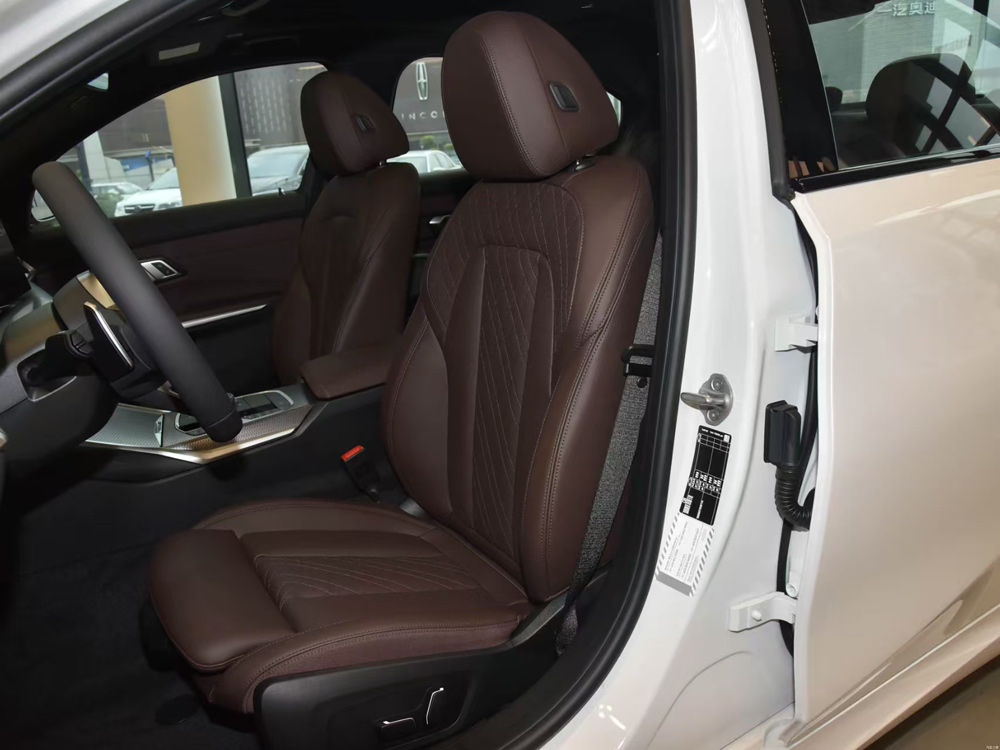
The BMW seats are another highlight. These seats are upholstered in cognac-colored faux leather and are incredibly comfortable; even in the busiest season traffic jams, my back didn’t ache. While front legroom is ample, rear legroom is slightly lacking, especially for taller drivers or front passengers.
The 330i boasts a massive 17.0 cubic feet (480 liters) of trunk space, the largest in its class. Because Germans really love the 40/20/40 rear seat split, the 330i is more practical than most of its competitors. However, I still prefer a station wagon.
2025 BMW 330i xDrive Review: Still the Benchmark – Youjia
Interior Style and Quality:
The 330i’s cabin is unsurprising. Every detail feels more durable than any Botox-fueled celebrity’s eyebrows. The body structure is classic BMW, so all parts are easy to install, and the metal trim is just right—elegant without being overpowering. The same goes for the understated open-pore wood trim on the dashboard. BMW’s ambient lighting is mediocre—only nine colors! —However, if you want a steampunk-Las Vegas style, perhaps the C-Class is more suitable.
For years, I’ve complained that the M steering wheel is too thick, so while that issue remains, I do like the architectural trim on the six o’clock position.
2025 BMW 330i xDrive Review: Still the Benchmark – Youjia
Technology and Safety:
iDrive 8.0 faced heavy criticism upon release for overcomplicating what was originally an intuitive system. The 8.5 update largely corrected this, adding customizable quick-access widgets to the main screen to reduce menu switching. However, as the saying goes, all the climate control buttons have been moved to the bottom of the screen. At least a considerable number of control buttons remain on the lower instrument cluster and center console, and the iDrive knob remains as easy to use as ever.
Both models feature clear, readable screens with fast response times. This widespread adoption means that users upgrading to other BMW models can easily get started. Wireless Apple CarPlay connection is quick and convenient, and the wireless charger can hold the phone, although it can get quite hot.
While BMW’s advanced driver assistance system is standard on the Toyota Corolla, it’s actually an add-on. However, the system performs quite well and includes a forward cross-traffic alert.