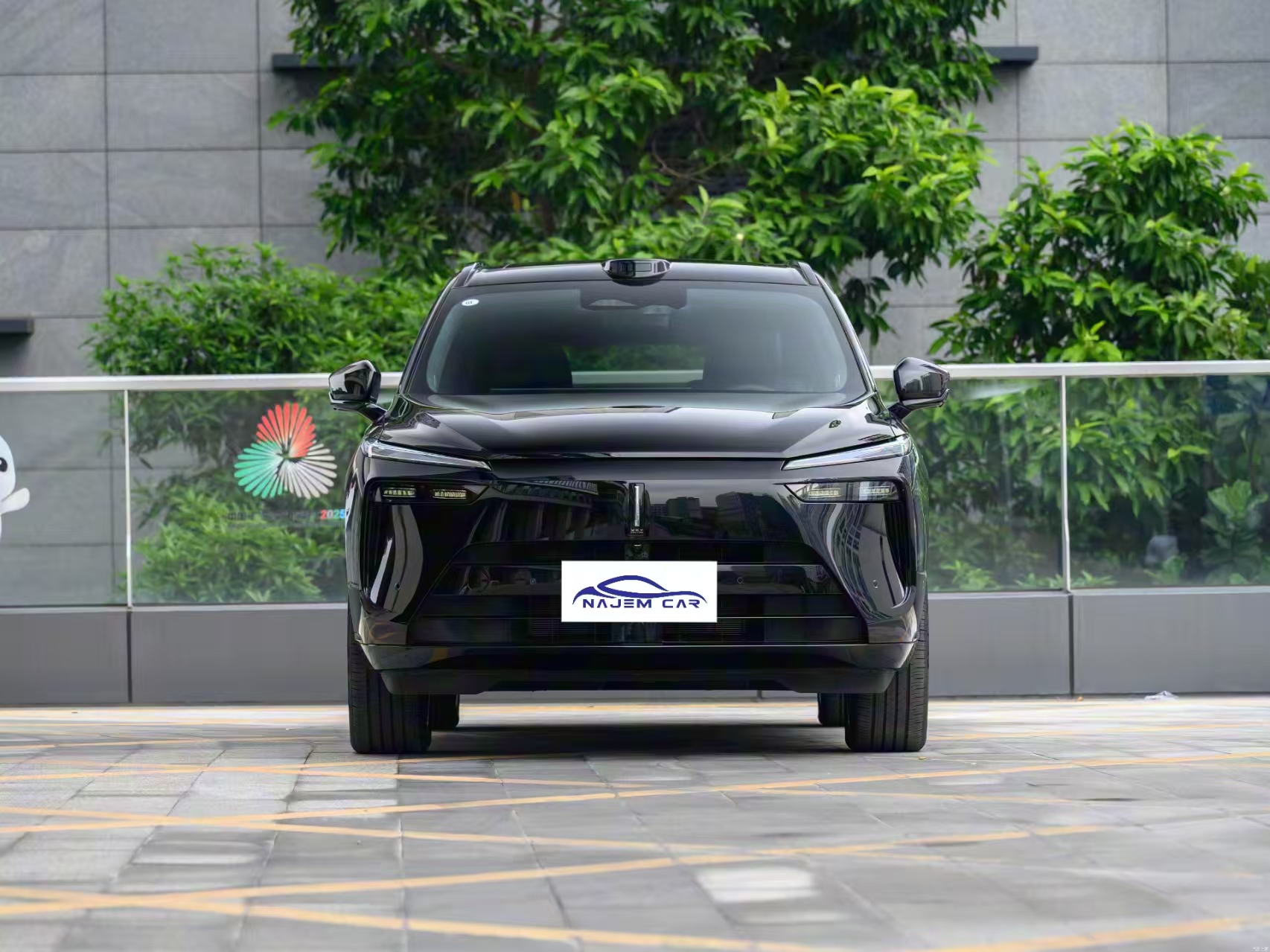
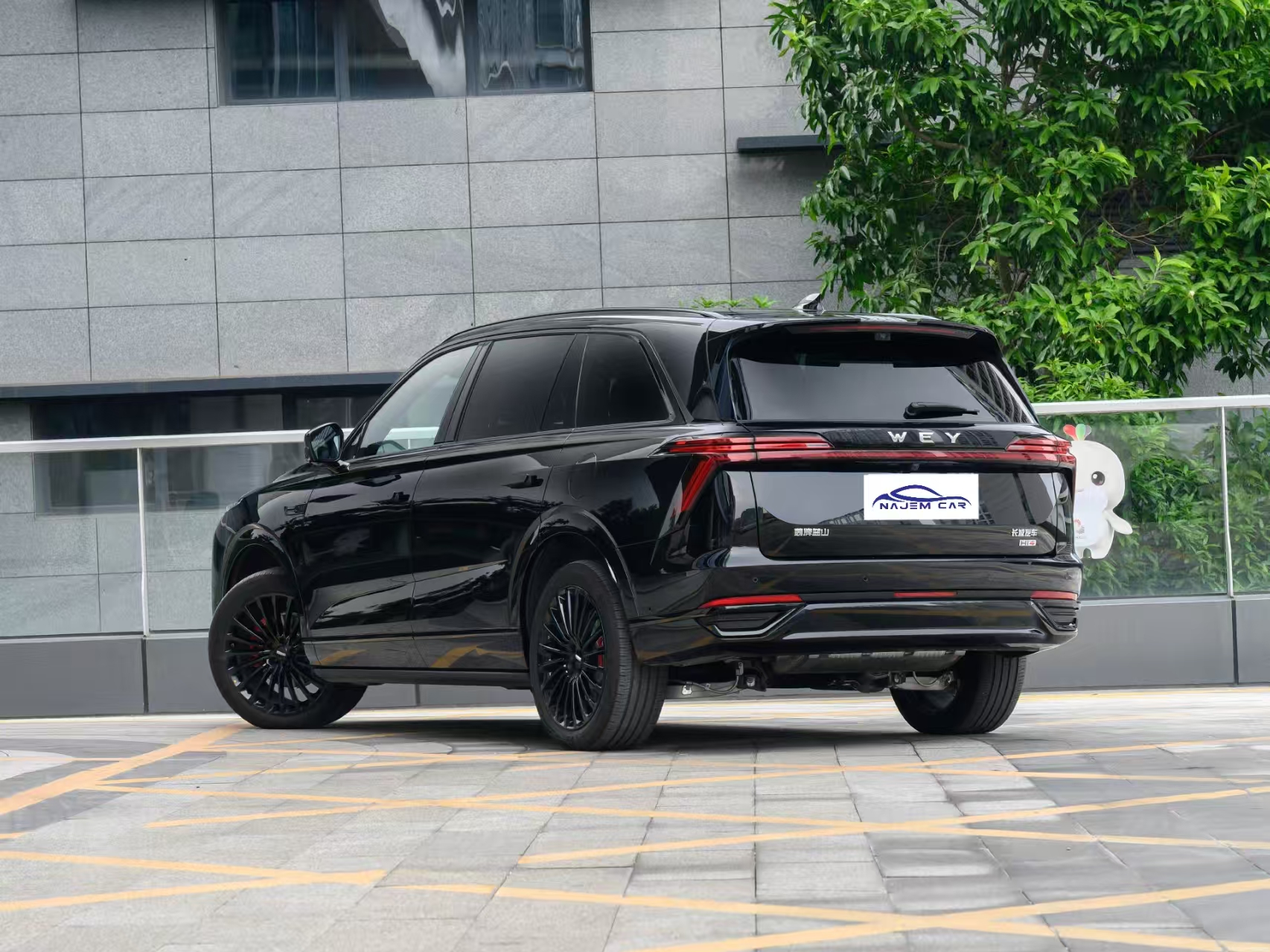
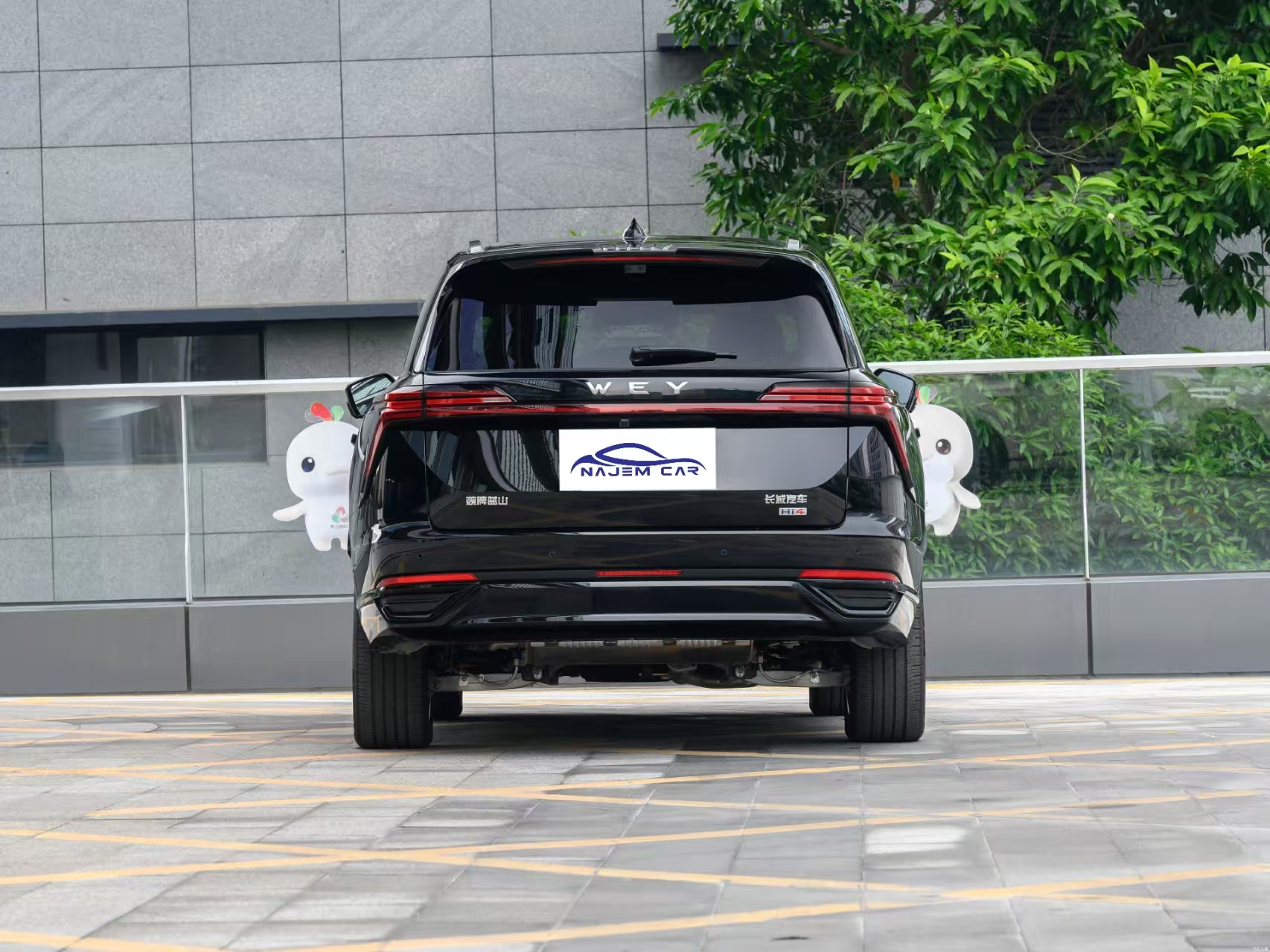
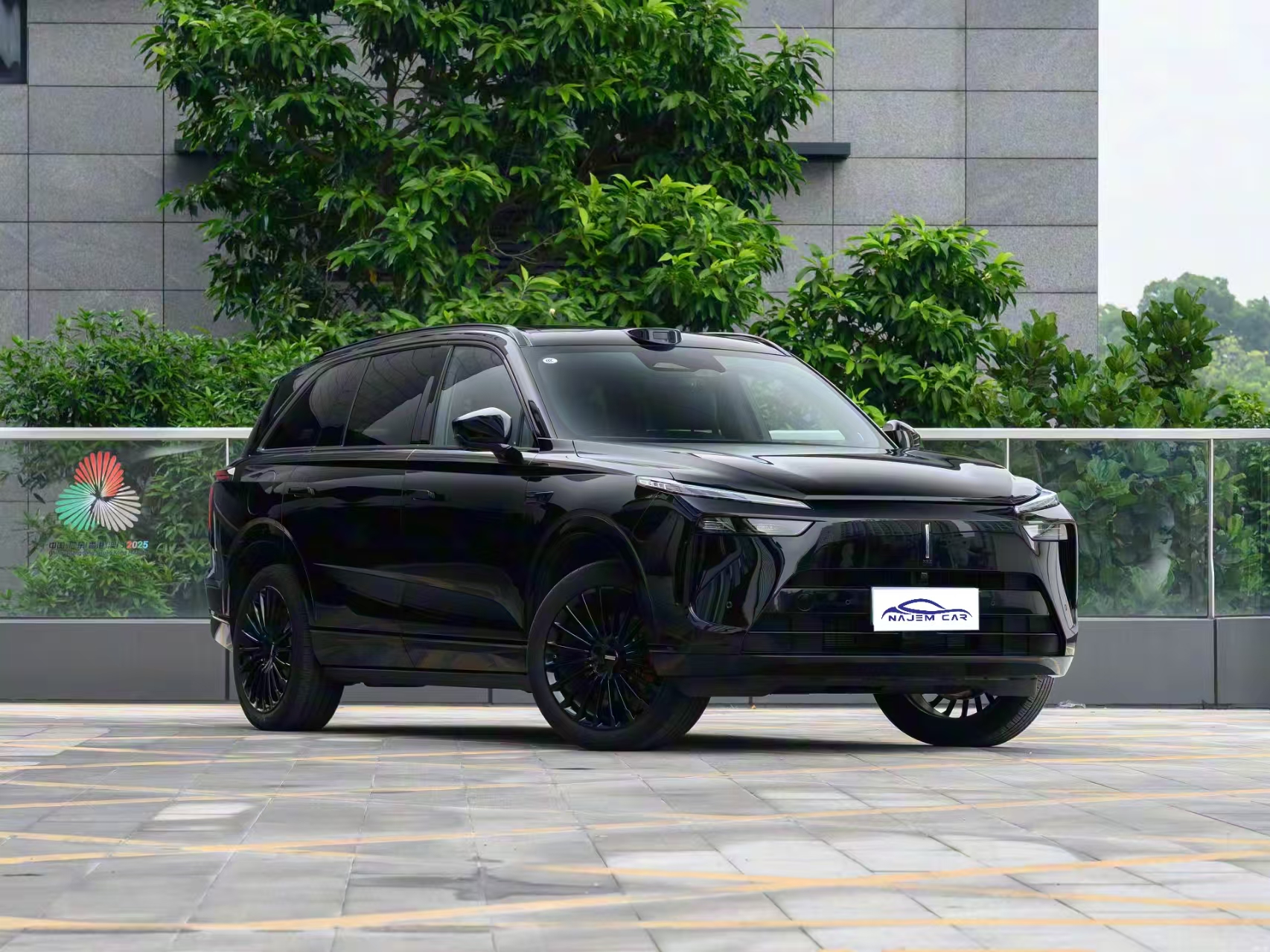
The Wey Lanshan is a medium to large SUV with a 2+2+2 three-row six-seat layout and a ‘1.5T+DHT+P4’ plug-in hybrid system.
If you are interested in this model or have any other automotive needs, please feel free to contact us using the form below. With over ten years of experience in the automotive trade, we are here to solve all your problems and provide the best solutions for your requirements.
Exterior design
The Wey brand new Lanshan pays attention to the details in the exterior design, which presents a relatively harmonious visual effect as a whole. The front face design adopts a large size air intake grille, and the chrome trim around the edges adds a touch of fashion to the whole vehicle. The split headlights are relatively exquisite in design, and the daytime running lights at the top and the main light group at the bottom form a distinctive sense of layering. The brand logo is cleverly embedded in the centre of the grille, echoing the light groups on the sides, and the whole looks relatively harmonious.
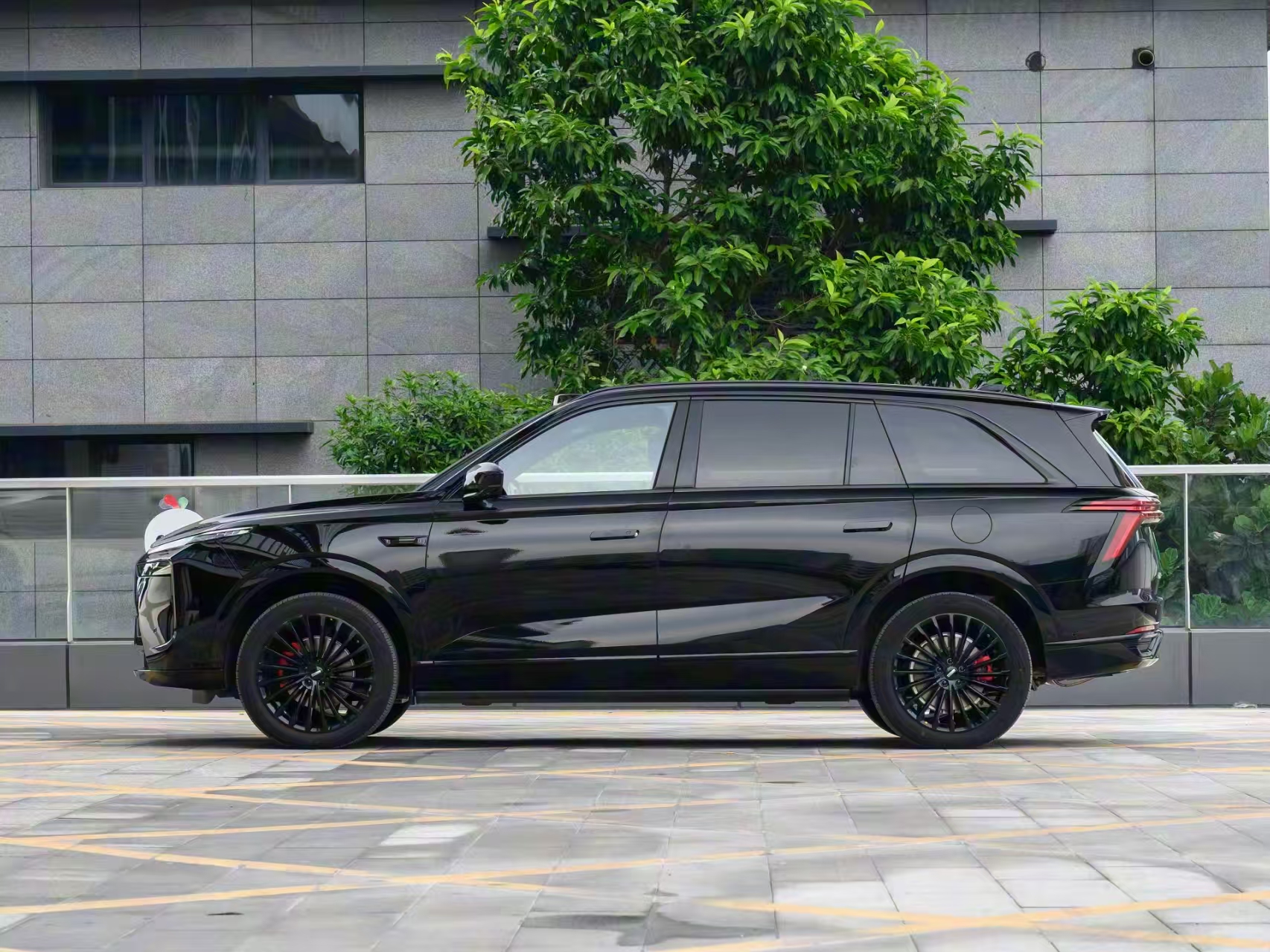
From the side, the vehicle has smooth lines but still has a sense of power. The straight waistline runs the whole length of the vehicle, and the slightly upward design adds some dynamic elements to the body while making the vehicle look more stable. The large 22-inch wheels complement the line design of the side skirts, creating a heavier visual effect.
The rear design features a through-type taillight, which is a highlight of the vehicle. When lit at night, the light cluster displays a relatively even light band effect, which is highly recognisable. The rear lines are simple, and the slightly chunky design further enhances the sense of stability of the vehicle. Overall, the exterior design of the new Wey Lanshan not only meets the aesthetic needs of modern consumers for SUVs, but also takes practicality into account.
Interior design
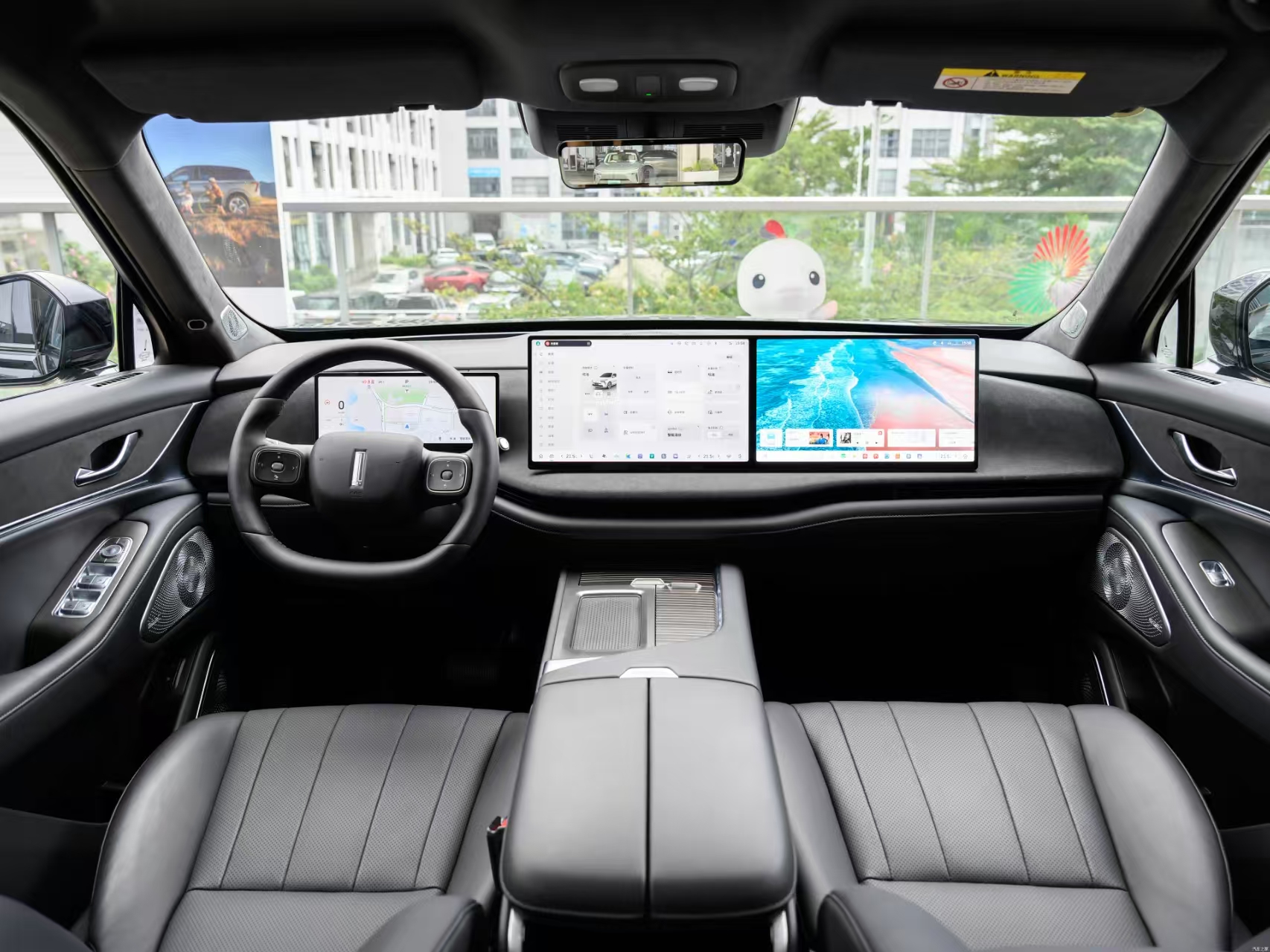
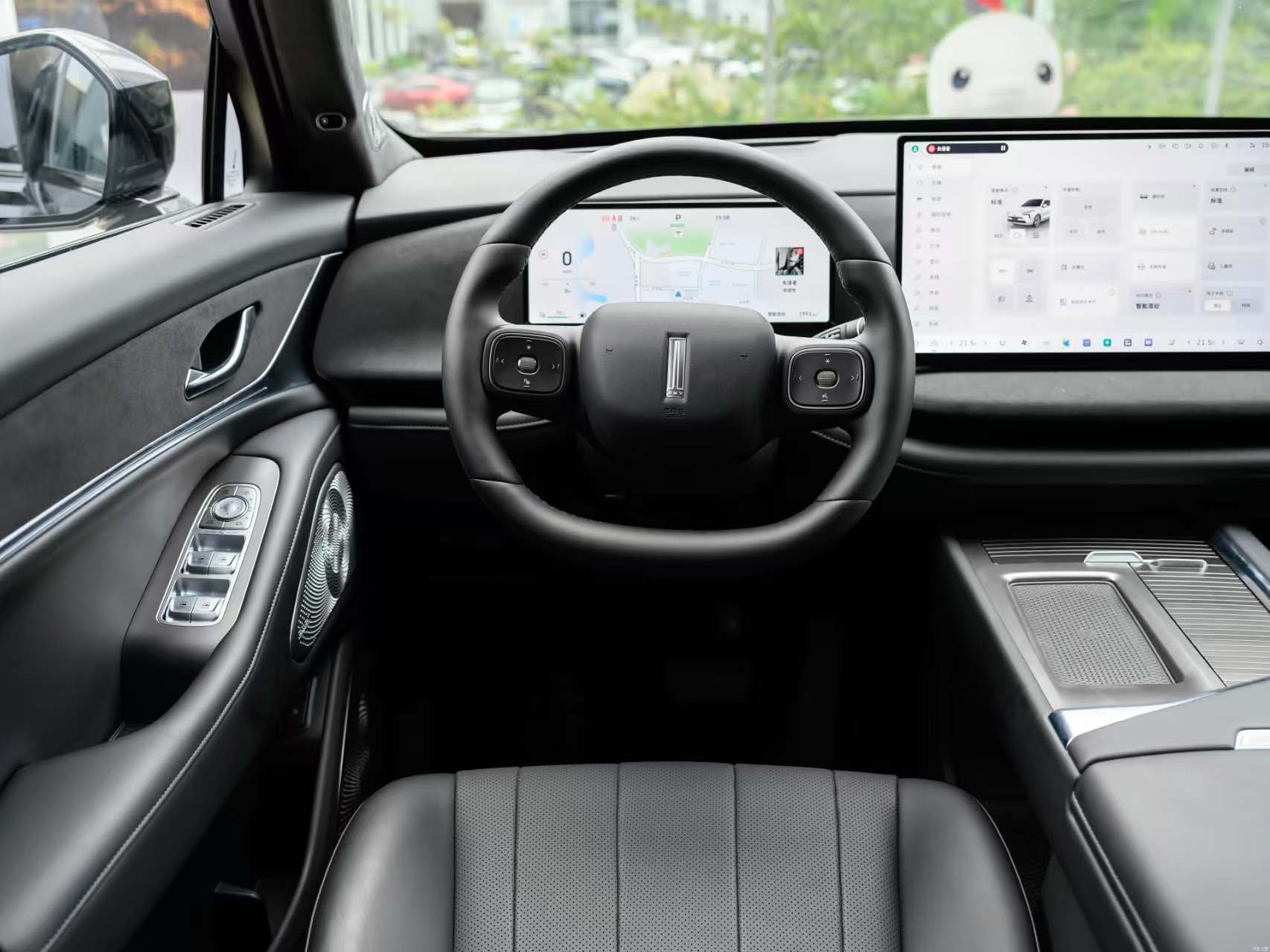
Entering the car, the interior of the new Wey Lanshan is mainly simple and atmospheric. The centre console has a clear layout, and the combination of silver brushed panels, wood grain trim and leather materials makes the interior feel high-end and warm at the same time. The three-spoke steering wheel has a simple shape, is comfortable to hold and has a relatively reasonable button layout. The centre console screen and the passenger seat screen are both 15.6 inches, and the full touch operation is sensitive. The rear is equipped with a 17.3-inch entertainment screen that supports high-definition video playback and multi-screen interaction functions. The Coffee OS 3 system installed in the Lanshan performs relatively well. The addition of the Qualcomm Snapdragon 8295 chip makes the system run smoothly, and the voice recognition function supports multi-region control to meet the needs of different passengers. It is worth mentioning that the car is also equipped with an intelligent refrigerator that can be cooled or heated, and its temperature control range is between -6°C and 50°C. The refrigerator supports four functions: refrigeration, freezing, preservation, and heating, which is more suitable for long-distance travel or daily needs.
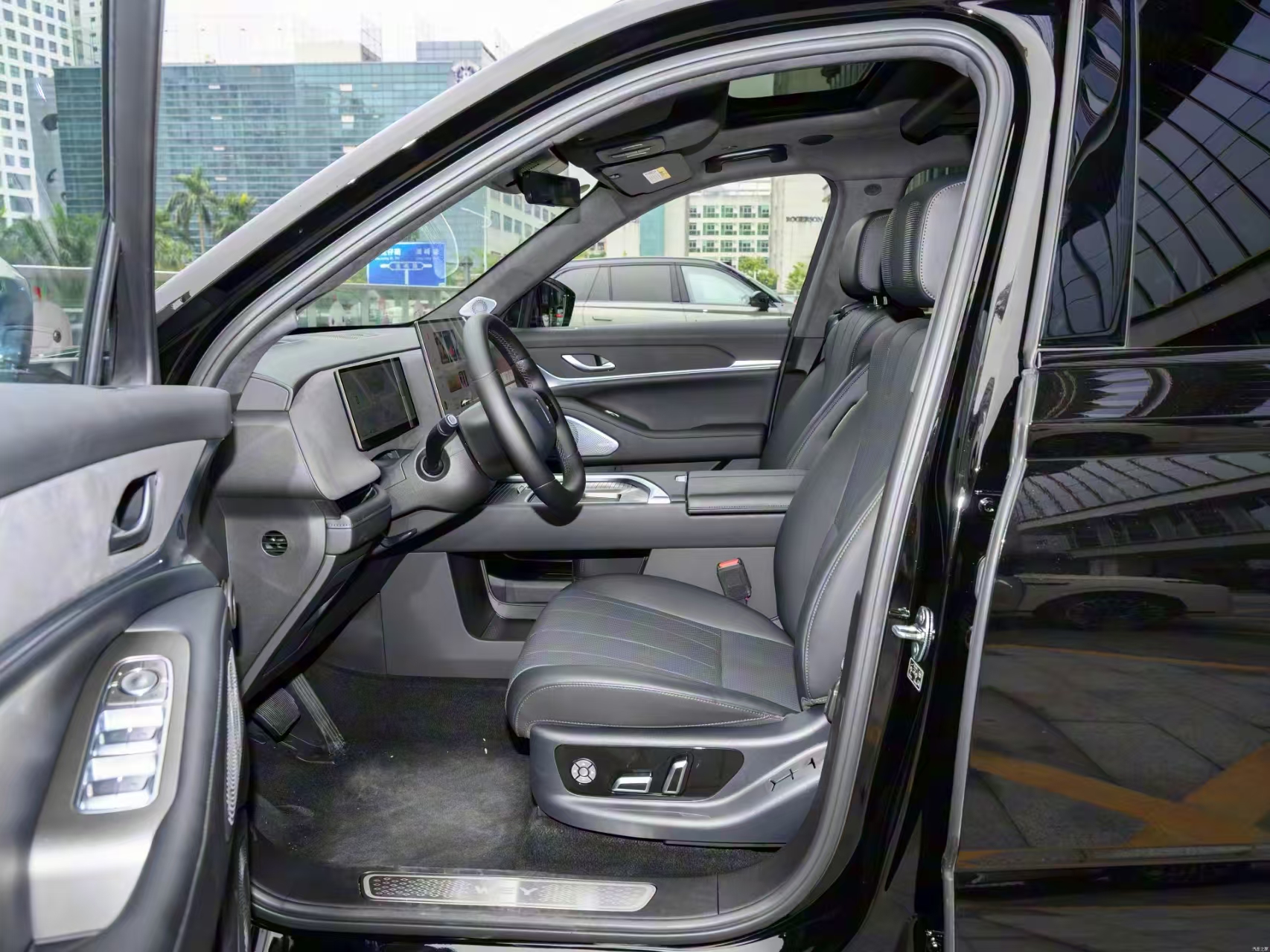
The Wey’s new Lanshan has a 2+2+2 six-seat layout, with a relatively reasonable interior space. The driver’s seat is covered in NAPPA leather and supports 12-way power adjustment, seat memory, a welcome function, 8-point massage, ventilation and heating functions, with an overall good comfort performance. The passenger seat is equipped with a zero-gravity adjustment design that can be adjusted to a more comfortable position with one touch. The author had a practical experience of the rear space. The second row is designed with individual seats that support 10-way electric adjustment and are equipped with a massage function. The backrest can be tilted up to 50 degrees, which provides an ideal riding comfort. Although the space performance of the third row is slightly inferior to that of the second row, it is still sufficient for short-distance use. The trunk has good flexibility, as both the second and third rows of seats can be fully folded down. After being folded down, the floor is relatively flat, and the space volume is significantly increased, which can meet the storage needs of large items.
Intelligent driving
The new Wey Lanshan is equipped with a relatively advanced hardware system. The vehicle is equipped with the NVIDIA Orin-X chip, which, combined with an overhead lidar, millimeter wave radar, ultrasonic radar, and multiple high-definition cameras, forms a hardware matrix of 27 sensors. In actual measurements, this system can achieve full-scenario NOA intelligent driving without high-precision maps, and its functions, including lane change assistance and automatic parking, all perform stably. The system performs well on both urban roads and highways, effectively reducing the driver’s workload. Lanshan also supports over-the-air (OTA) updates, so users can update the system at any time to get more intelligent driving functions.
Power
The new Wey Lanshan is equipped with the DHT-PHEV system, which is a combination of a 1.5T engine and a P4 motor, with a combined power of 380 kW and a combined torque of 933 Nm. The measured 0-100km/h acceleration time is 4.9 seconds. The power response during the starting phase is relatively fast, and the overall performance is outstanding. In pure electric mode, the WLTC cruising range of the Lanshan is divided into two versions: 185km and 220km, with a comprehensive cruising range of 1307km and 1343km respectively, which can well meet the needs of long-distance travel. The vehicle supports DC fast charging and AC slow charging, and the charging efficiency is relatively ideal.